After a decade of watching organizations shift to flexible work arrangements, what stands out is not the novelty of working from home – that’s settled – but the friction points that emerge only after the initial transition. The companies that have adapted most successfully are not the ones that made the boldest proclamations about remote-first culture. They’re the ones that quietly rebuilt how work actually gets done.
The first thing that changes is communication. When everyone was in an office, information moved through hallway conversations, overhearing colleagues, and the ambient awareness of what others were working on. That infrastructure disappeared overnight for many organizations. What replaced it was often chaos disguised as productivity. Slack channels exploded. Email threads became impossible to follow. Meetings multiplied. Teams discovered that asynchronous work sounds efficient in theory but requires a level of documentation and clarity that most organizations had never practiced before.
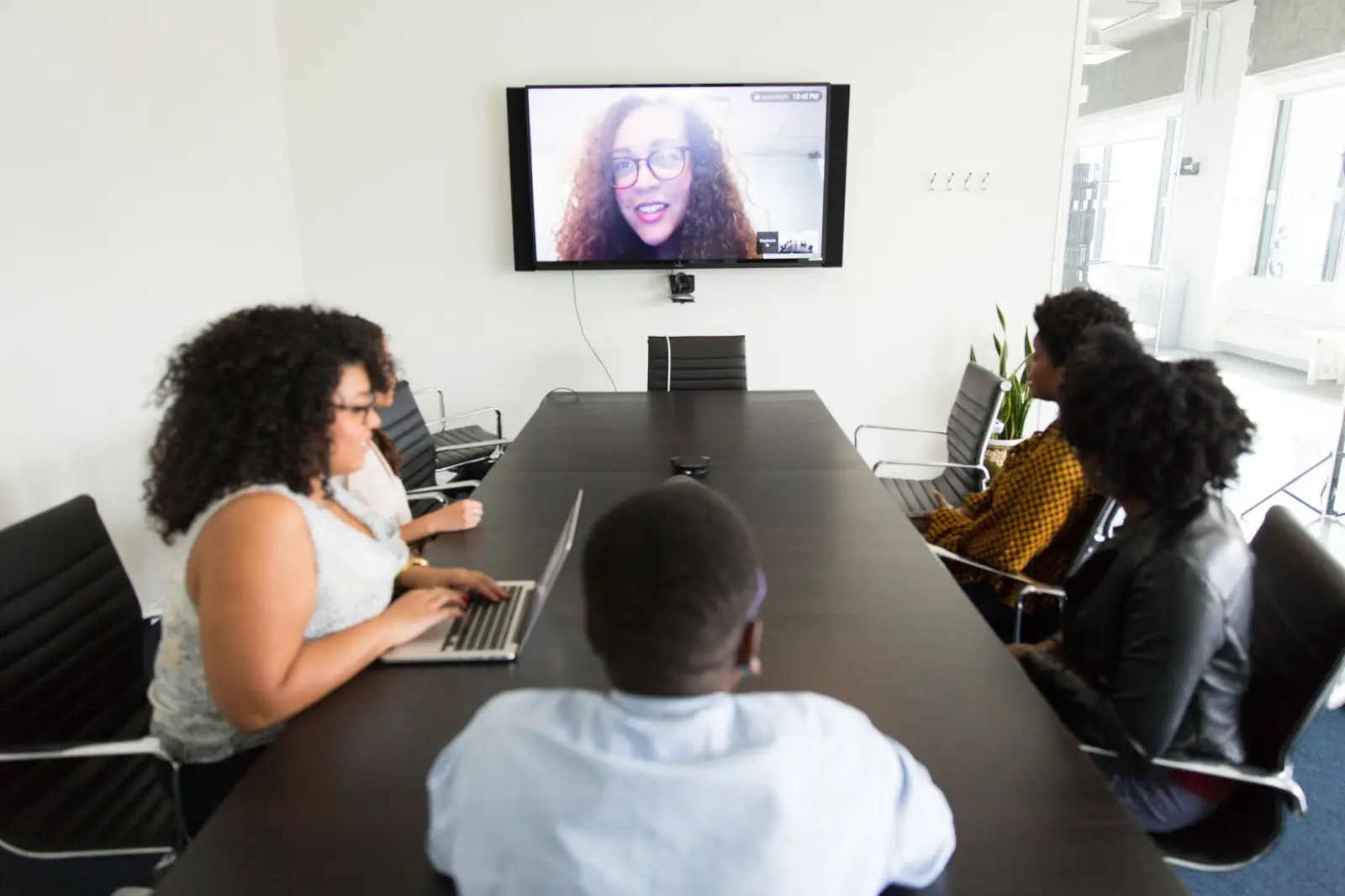
The real learning came when companies realized they couldn’t simply replicate office dynamics remotely. A meeting that works with eight people in a room becomes exhausting on video. A quick question that took thirty seconds to ask a colleague now requires a message, a wait for response, and often a follow-up call anyway. The overhead of coordination increased, not decreased, in many cases. Organizations that thrived were the ones that accepted this and redesigned their workflows rather than fighting it.
Where Flexibility Actually Creates Problems
Onboarding new employees in a distributed environment is harder than most organizations anticipated. The informal learning that happens when a new hire sits near experienced colleagues – watching how decisions are made, understanding unwritten norms, picking up context through proximity – doesn’t transfer to a remote setting. Companies have had to become intentional about what was once accidental. Some have done this well. Many have not. The result is that new employees often take longer to become productive, and the quality of their early work suffers more noticeably.
Collaboration on complex problems also reveals the limits of flexibility. Certain types of work benefit from synchronous, in-person interaction. Brainstorming sessions, design critiques, and problem-solving that requires rapid iteration and visual thinking tend to be slower and less effective when distributed. Some organizations have responded by building hybrid models where teams gather for specific activities. Others have tried to force everything into asynchronous workflows and accepted lower creative output as a trade-off.
The most overlooked cost of flexible work is the burden it places on managers. Oversight becomes harder. Managers can no longer rely on visibility to understand how their teams are functioning. They must develop new skills in remote leadership – asking better questions, creating structures for feedback, checking in without micromanaging. Some managers adapt quickly. Others never do, and their teams suffer from unclear expectations and inconsistent support.
What Organizations Are Learning About Culture
Company culture doesn’t evaporate in a distributed environment, but it changes fundamentally. The culture that emerges is no longer shaped primarily by physical proximity and shared space. Instead, it’s determined by communication patterns, decision-making processes, and how leadership behaves when no one is watching. Some organizations have found that their culture actually improved – less performative busyness, more focus on outcomes, fewer unproductive meetings. Others discovered that their culture was always fragile and depended entirely on in-person reinforcement.
The relationship between flexibility and equity has also become clearer. When everyone works remotely, some inequities disappear. The person who lives far from the office is no longer penalized. The parent managing childcare has more control over their schedule. But new inequities emerge. Employees with stable home environments and good internet connections have advantages over those without. People in time zones far from company headquarters can feel isolated. Visibility in remote settings often favors those who are most vocal in meetings and most active in chat, not necessarily those doing the best work.
One pattern that repeats across organizations is the distinction between those that treat flexible work as a temporary accommodation and those that treat it as a permanent structural change. Companies in the first category maintain policies that pull people back to the office whenever possible. They resist building tools and processes that would truly support distributed work. The result is resentment and constant friction. Companies in the second category invest in infrastructure – better video conferencing, documentation systems, asynchronous decision-making processes. The difference in employee satisfaction and retention is substantial.
The Skills Gap That Emerged
Flexible work revealed that many professionals lack basic skills for distributed collaboration. Writing clearly and concisely became a critical competency. The ability to work independently without constant direction became essential. Managers needed to learn how to lead without physical presence. These gaps didn’t exist in the same way in office environments because the office provided scaffolding. Now organizations have to teach these skills explicitly, and many are still figuring out how.
Technical literacy also became a dividing line. Employees comfortable with digital tools adapted faster. Those who relied on in-person interaction struggled. The gap between digital natives and those less comfortable with technology widened, and it wasn’t always about age. It was about prior exposure and willingness to learn new tools.
What’s becoming clear is that flexible work isn’t a binary choice between remote and in-office. The organizations that are most effective are building intentional hybrid models where the decision about where work happens is tied to the nature of the work itself. Some roles are genuinely better suited to remote work. Others benefit from in-person collaboration. The key is making that decision deliberately rather than defaulting to either extreme.
The future of flexible work will likely be shaped less by ideology and more by practical necessity. Organizations will continue to experiment with different models. Some will discover that their business operates better with more flexibility. Others will find that certain functions require more coordination than remote work easily provides. The competitive advantage will go to those that remain flexible in their approach – willing to adjust based on what actually works rather than what they believed would work before they tried it.